Asian Banking School Logo

Overview

IN COLLABORATION WITH:
Lessons from China: Strategy-to-Execution Insights
This Executive Education programme is designed for senior leaders across the financial ecosystem seeking to translate sustainable finance ambitions into practical institutional execution. Anchored in Asia and drawing on experience from China and other regional markets, the programme examines how sustainable finance is embedded into institutional strategy, risk governance, financial products, and digital infrastructure.

Through expert-led sessions and on-site learning, participants will explore how sustainable finance is applied across transition finance, climate- and nature-related risk management, financial innovation, and digital enablement. Experience from China including large-scale transition pathways, insurance–finance collaboration, fintech-enabled financial inclusion, and data-driven ESG risk management will be examined alongside practices from other Asian markets to understand what may be transferable or adaptable across different institutional and regulatory contexts.

The programme will also consider how taxonomy interoperability, cross-border financial collaboration, and emerging Special Economic Zones (SEZs) influence the development of sustainable finance across Asia.

Overall, the programme aims to provide senior leaders with practical perspectives and strategic insight to support the development and implementation of sustainable finance initiatives within their institutions.
Programme Outline
Learning Outcomes
By the end of the programme, participants will be able to:
  • Apply sustainable and transition finance concepts to design execution pathways that align strategy, products, and client engagement in Asian markets
  • Analyse climate-, nature-, and ESG-related risks across portfolios and transactions, and assess implications for risk governance, pricing, and disclosure
  • Evaluate transition finance pathways in high-carbon and hard-to-abate sectors, balancing commercial viability, credibility, and regulatory expectations
  • Assess the transferability of sustainable finance practices from China and other Asian markets across different institutional, regulatory, and market contexts
  • Formulate integrated sustainable finance strategies and actionable implementation plans that embed sustainability into core business, risk, and digital infrastructure
Programme Faculty
Founded in 1949 by the Central People's Government shortly after the establishment of the People's Republic of China, the Central University of Finance and Economics (CUFE) stands as China’s first specialized university dedicated to finance and economics.
As a prestigious national "Double First-Class" institution and a premier platform for academic innovation in economic and financial fields, it is widely hailed as the "Cradle of Giants in Finance and Management".

Upholding the motto of “Loyalty, Unity, Truth-Seeking, and Innovation”, CUFE adheres to the educational philosophy of pursuing truth and excellence and undertakes the mission of fostering virtue, cultivating talents, and serving the nation through high-quality finance and economics education. The university has built a sound and comprehensive disciplinary system, with economics, management and law as its core strengths, and coordinated development covering literature, science, engineering, education and arts. Boasting outstanding educational quality and a global alumni network of over 190,000 outstanding talents, CUFE has long established itself as a pivotal talent source and leading academic powerhouse for China’s finance and management sectors.

Recognized as the most authoritative academic and talent training hub for China’s banking and financial industry, CUFE has established in-depth and long-term strategic partnerships with almost all major domestic commercial banks in China. It also serves as the designated core training base for senior management and professional backbones of China’s banking sector, underpinning the high-quality development of the nation’s financial industry with solid academic strength and talent cultivation capabilities.
ACADEMIC SUPPORT
This programme is hosted by the International Institute of Green Finance (IIGF), an affiliate of the National Academy of Financial and Economic Strategy (NAFES) at the Central University of Finance and Economics (CUFE), and will be held in Beijing, China.

Founded in 2016, IIGF leverages CUFE’s advantages to collaborate with domestic and international partners on academic research, policy consultation, and global cooperation. With 5 research centers, 2 laboratories, and around 50 researchers, it focuses on climate finance, green finance, ESG, and climate risks, expanding into transition finance and biodiversity finance to build a forward-looking research system.

In policy promotion, IIGF exerts profound influence on green finance and sustainable development policy-making across Chinese central ministries. It collaborates closely with key authorities like the National Development and Reform Commission, the Ministry of Ecology and Environment, the Ministry of Finance, and People's Bank of China providing high-quality policy advice to refine China’s green finance framework and promote pilot zone development, solidifying its role as a core think tank. Globally, IIGF is a top-tier green finance institution, fostering multilateral and bilateral cooperation. It deeply engages in China-Australia sustainable finance policy coordination, hosting a thematic seminar on standard interoperability and receiving an Australian Treasury delegation. It also strengthens cooperation with the EU, the UK, Germany, and UN agencies like UNDP and UNICEF, serving as a key link for Sino-foreign green finance exchanges.

In academic research, IIGF leads through collaborations with world-renowned universities, including LSE, the University of Cambridge, and Oxford, etc. It organizes academic exchanges and joint research on biodiversity finance, climate finance, and ESG, and co-founded GRASFI with Oxford and Cambridge to advance academic exchange.

In market practice, IIGF bridges academic research and industry application. It jointly developed the STOXX-IIGF China A-Share ESG Index with STOXX, compiled ESG indices with the Luxembourg Stock Exchange, and partnered with ICBC Europe to explore climate risk identification frameworks, driving green finance market innovation.
 
Through this collaboration, the programme combines academic rigour with real-world banking practice, offering participants a structured and credible learning experience grounded in China’s sustainable finance development and its relevance to the global banking context.
PROGRAMME VENUE
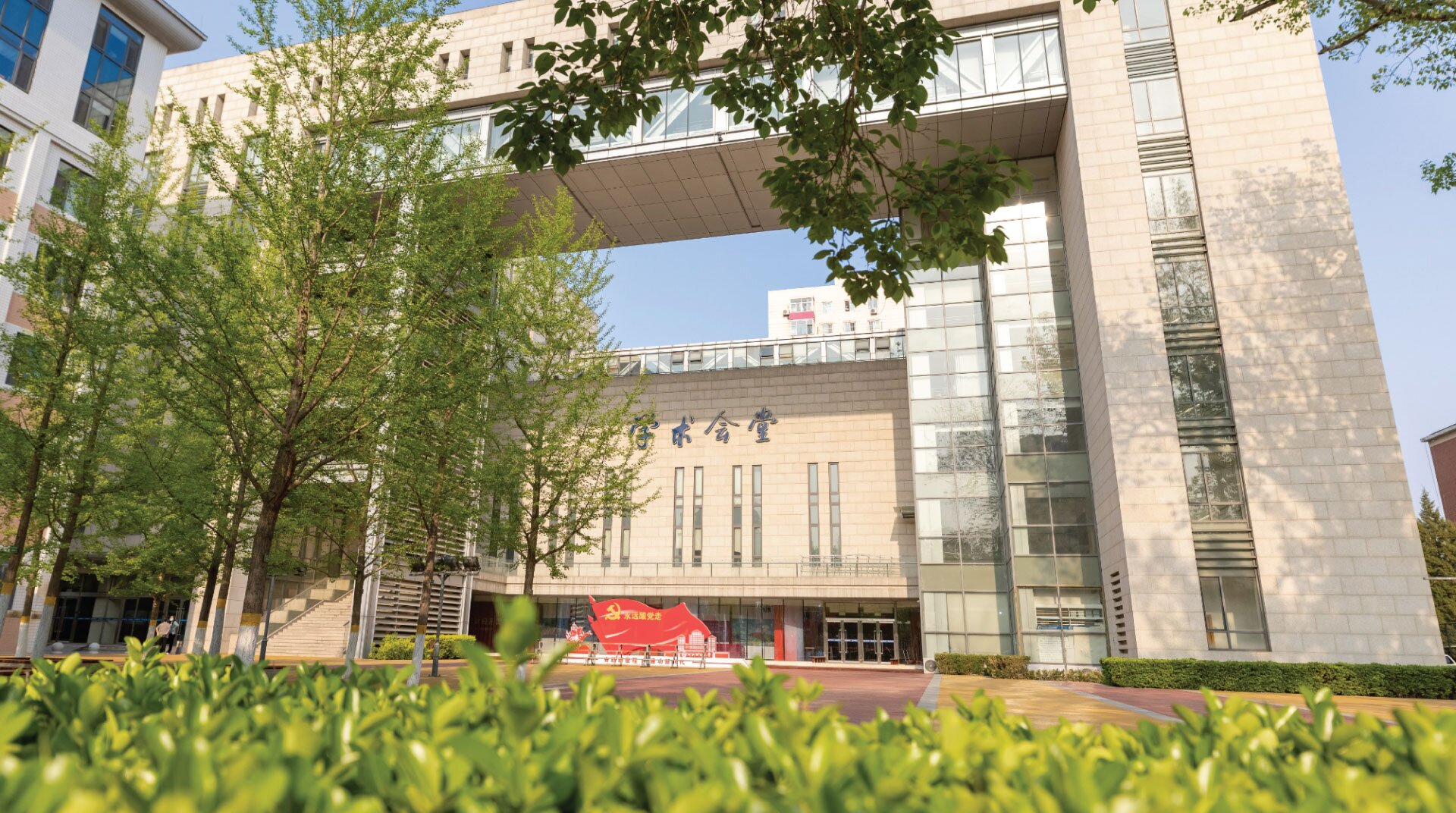
The programme will be held at the Central University of Finance and Economics (CUFE), Beijing, one of China’s leading universities in finance, economics, and management. Participants will benefit from a modern classroom environment equipped with advanced learning facilities, fostering interactive discussions, knowledge sharing, and an enriching educational experience within a prestigious academic setting.
Accommodation
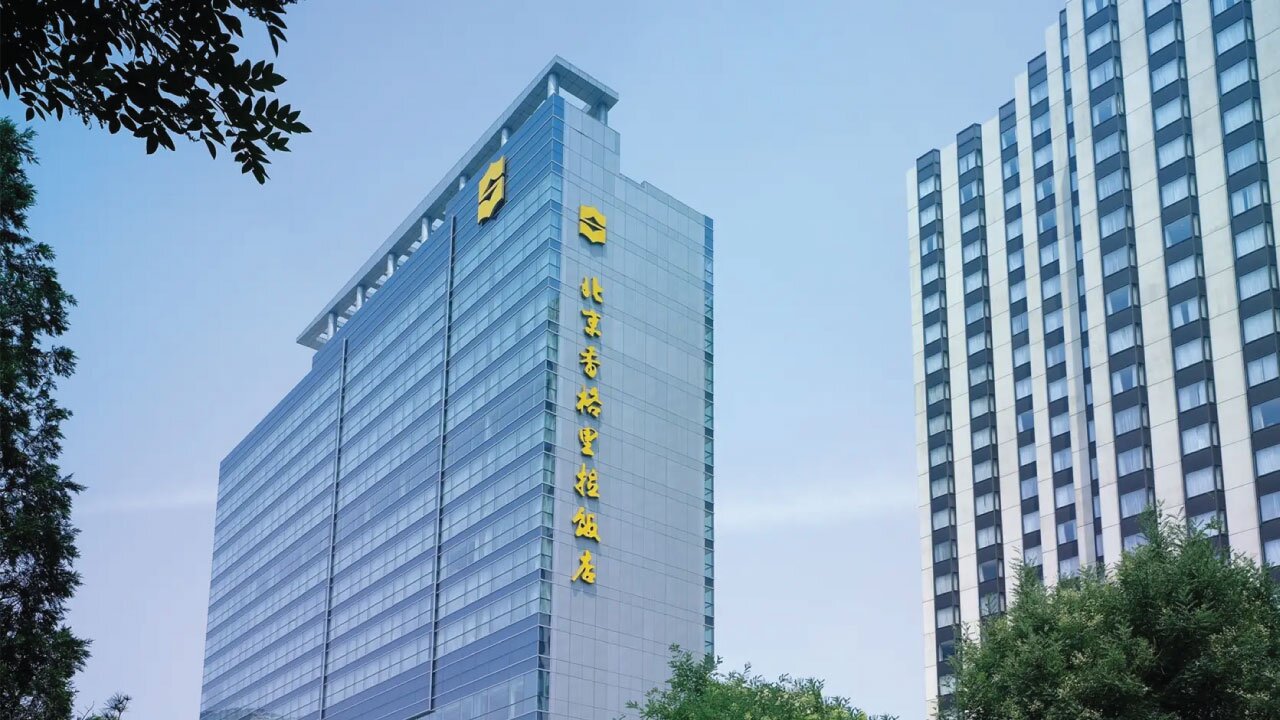
Accommodation will be provided from 25 - 31 October 2026 at Shangri-La Beijing, a renowned luxury hotel located along Beijing’s West Third Ring Road. Situated near the city’s financial and technology districts, and within easy access to major cultural and historical attractions, the hotel offers a convenient and comfortable setting for programme participants.

Participants will stay in the hotel’s well-appointed guest rooms, thoughtfully designed to provide a restful environment after a day of learning and networking. With modern amenities, exceptional hospitality, and convenient access to public transportation, Shangri-La Beijing ensures a relaxing and seamless stay throughout the programme.

Shangri-la Beijing
29 Zizhuyuan Road, Beijing Exhibition Ctr & Xizhimen, Beijing, China, 100089
Note: All information on this page is correct but may be subject to change.
SHARE
Other programmes
Invest in a lifelong learning journey
As the industry’s preferred partner in learning and development, ABS offers customised and open enrolment training programmes that cover a comprehensive list of banking areas.
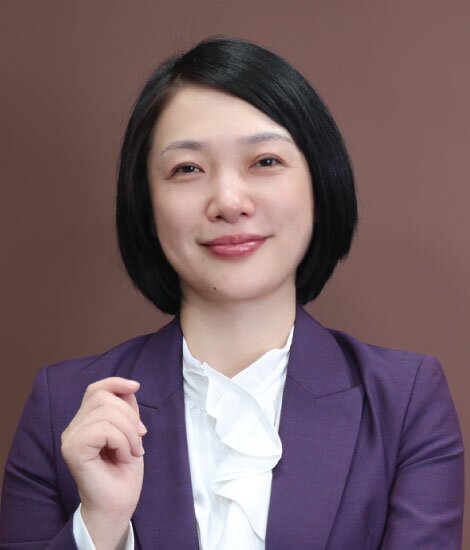
Professor WANG Yao
Wang Yao, Professor, Doctoral Supervisor. She currently serves as the Director General of the International Institute of Green Finance (IIGF) at the Central University of Finance and Economics (CUFE), a Researcher at the National Academy of Financial and Economic Strategy and the Beijing Finance Research Base at CUFE, and a Visiting Scholar at the Centre for Economic Transformation at the London School of Economics and Political Science. She is the Deputy Secretary-General of the Green Finance Committee of the China Finance Society and an Advisor to the Green Development Committee of the Securities Association of China.

Previously, she served as a Researcher at the Cambridge Institute for Sustainability Leadership, an expert on the Sustainable Finance Advisory Committee of the Smith School of Enterprise and the Environment at the University of Oxford, a Sustainable Finance Advisor to the Monetary Authority of Singapore and a Consulting Advisor to the Luxembourg Stock Exchange. She was a Postdoctoral Fellow in the Department of Economics at Harvard University and a Visiting Scholar at the Harvard Environmental Economics Program and the Harvard China Project, in addition to completing a postdoctoral fellowship at Bank of Beijing.

Her research focuses on the green economy and sustainable finance. Since 2006, she has published over 120 papers in high-level academic journals, led and completed more than 100 domestic and international research projects, and authored 33 monographs, including Carbon Finance: Global Perspectives and China’s Strategies and Climate Finance, which are pioneering works in the field. She also has nearly seven years of experience in investment banking. In 2019, she received the Asiamoney Award for Excellence in China’s Green Finance for “Outstanding Contribution.”
Mr. YE Yanfei

Mr. YE Yanfei, graduated from the Hefei Polytechnic University in 1983, from Peking University in 1988 and from Japan National Graduate Institute for Policy Studies in 2001, obtaining degrees in a Bachelor of Mechanical Engineering, Master of Economics and Master of Public Policies, respectively. He worked at the Luoyang Bearing Research Institute in 1983-1985, National Bureau of Statistics of China in 1988-2003 and in IFC-China Project Development Facility in 2003-2006. Following that, he worked at the China Banking Regulatory Commission (now China National Financial Regulatory Administration) from 2006 and was in charge of green credit. He retired from the agency in 2023 and is currently a Special Advisor of the China Council for International Cooperation on Environment and Development (CCICED), focusing on providing advice, briefing and lectures to financial institutions on International Cooperation on Environment and Development of Green Finance.

Ms. YUAN Yuan
Ms. YUAN Yuan currently serves as Climate Affairs Director of the Sustainability Department at HSBC Bank (China) Company Limited. With a long-standing focus on areas including nature-related financial risk management, the net-zero transition of financial institutions, and the practice and promotion of green projects, she possesses rich practical experience in green finance and sustainable development. She has participated in industry sharing, case studies, and cross-institutional cooperation on multiple occasions in a professional capacity.
Mr. LIU Qilun
Mr. LIU Qilun is a Research Fellow at the International Institute of Green Finance (IIGF). His work focuses on climate risk stress testing, quantitative modeling, financial data governance, and AI applications in green finance. His research and advisory experience covers green finance consulting for financial institutions, climate risk modeling, green asset identification, database development, index methodology, and factor construction. Recent work spans green and brown revenue analysis, ESG evaluation and data services, climate risk stress testing, and product-related research for financial institutions. A research report he contributed to was selected as an Outstanding Research Report in the 2024 key research program of the Securities Association of China (SAC). He is also a member of the NGFS climate scenarios and nature-related risks workstreams.
Ms. CUI Ying
Ms. CUI Ying is Deputy Director of the International Institute of Green Finance (IIGF) and a member of the Carbon Peaking and Neutrality Professional Committee under Chinese Society For Environmental Sciences. Her major research areas are Climate Finance, Green Bonds and Carbon Market Mechanisms. She has more than 20 years of working experience in the field of climate change. Ms. CUI Ying was the Technical Director of EDF Trading China, having undertaken development and management of more than 100 CDM projects. She has published numerous papers on green and low-carbon development in various industrial journals. She boasts extensive research experience on projects commissioned by the Ministry of Finance, the Ministry of Ecology and Environment, the Ministry of Natural Resources and local governments, as well as international initiatives undertaken in partnership with organizations including the United Nations Development Programme (UNDP), World Resources Institute (WRI) and Energy Foundation. She has been deeply engaged in developing China’s climate investment and financing system, providing expert advisory support for multiple local climate investment and financing pilot zones. Additionally, she has acted as an assessor or review assessor for over 40 green bond verification projects.
Dr. CHENG Angela
Based in Hong Kong, Dr. CHENG Angela serves as Head of Research & Chief Macro Strategist at CGS International Holdings. She is a think tank expert of the Shenzhen-Hong Kong Financial Cooperation Committee and an external supervisor at the Faculty of Business and Economics, the University of Hong Kong. She previously directed the Global South Research Centre and International Research Centre of China Galaxy Securities. Her research focuses on global macroeconomics, cross-border capital markets, multi-asset allocation, sustainable green finance, and global expansion of Chinese enterprises.

She earned dual bachelor’s degrees in Economics and International Politics from Peking University and a PhD in International Political Economy from the Chinese University of Hong Kong. Prior to her financial career, she was a Visiting Scholar at the National University of Singapore. Before joining CGS International, she held senior research and management positions at CMB International and Noah International.

Her research provides key policy references and extensive market influence. She is regularly interviewed by Bloomberg, Reuters, Financial Times, The Wall Street Journal and The Edge Singapore, and conducts global roadshows for top institutional investors. Under her leadership, the team was awarded the “iFind Outstanding Overseas Research Institute”, with influential research insights across Greater China, Southeast Asia and South Korea.
Sunday, 25 October 2026
Programme at a glance
Arrival in Beijing
Beijing City Tour
Welcome Dinner
Monday, 26 October 2026
Programme at a glance
China’s Sustainable Finance Strategy & Asian Synergies
Lunch
Net-Zero Strategy Design & Implementation: China and Asia Pathways
Free Time
Programme OUTLINE
Morning Session:
China’s Sustainable Finance Strategy & Asian Synergies
Learning Objectives: Analyse how system-level sustainable finance design influences institutional strategy and cross-border alignment in Asia.

This session examines China’s sustainable finance “top-level design,” focusing on policy architecture, regulatory coordination, standards, and financial instruments. Drawing selective comparisons with other Asian economies, it highlights how system-level design choices shape institutional strategy, capital allocation, and product development, and what this means for regional alignment and cross-border finance.
Afternoon Session:
Net-Zero Strategy Design & Implementation: China and Asia Pathways
Learning Objectives: Assess practical approaches to translating net-zero commitments into executable institutional strategies.

This session focuses on the execution challenge of net-zero strategies across diverse markets. Using practical experience from an international bank operating in China and globally, it explores how net-zero ambition is translated into governance structures, business priorities, and implementation pathways, supported by an interactive discussion on institutional application.
Tuesday, 27 October 2026
Programme at a glance
Transition Finance for High-Carbon Sectors
Lunch
Insurance as a Catalyst for Green & Transition Finance
Free Time
Programme OUTLINE
Morning Session:
Transition Finance for High-Carbon Industries
Learning Objectives: Analyse how transition finance pathways are structured for high-carbon and hard-to-abate sectors.

This session looks at transition finance in practice through the lens of China’s large industrial base, covering sectors such as steel, power, cement, and chemicals. Drawing on real transition-finance practice from a Chinese commercial bank, it shows how credible transition pathways are defined, how financing is linked to measurable progress, and how risk, credibility, and integrity are managed in parallel to turn high-carbon transition needs into bankable opportunities.
Afternoon Session:
Insurance as a Catalyst for Green & Transition Finance

Learning Objectives: Assess how insurance mechanisms enable and de-risk green and transition finance execution.

This session explores insurance as a strategic enabler of sustainable finance, drawing on market experience from a leading insurance institution. Through practical examples, including cases from Huzhou, it illustrates how insurance–lending partnerships support green projects, SMEs, and emerging business models, and how such approaches can be adapted to participants’ home markets.

Wednesday, 28 October 2026
Programme at a glance
AI for ESG-Practical Applications in Finance
Lunch
On-site teaching: Fintech Platforms for Inclusive & Transition Finance(Ant Group)
Free Time
Programme OUTLINE
Morning Session:
AI for ESG-Practical Applications in Finance
Learning Objectives: Analyse how AI is applied to strengthen ESG data, monitoring, and decision-making at scale.

This session examines how financial institutions deploy AI to enhance ESG capabilities, including data workflows, monitoring of ESG signals and controversies, and decision support across risk, compliance, and research functions. It highlights priority use cases where AI delivers scalable value and outlines key principles influencing successful implementation.
Afternoon Session:
Fintech Platforms for Inclusive& Transition Finance
Learning Objectives: Evaluate how fintech-enabled platforms support financial inclusion and SME transition.

This immersive on-site session combines a visit to Ant Group with expert briefings and executive dialogue to examine world-leading digital finance ecosystems. Through cases such as the “310” credit model, Ant Forest, and women’s financial inclusion initiatives, the session demonstrates how data-driven platforms reshape risk pricing, support SME growth, and enable ecosystem-based finance.
Thursday, 29 October 2026
Programme at a glance
Taxonomy Interoperability and Cross-Border Product Innovation
Lunch
Green Finance Innovation in Cross-Border Corridors (HK-SZ Model)
Farewell Dinner
Programme OUTLINE
Morning Session:
Taxonomy Interoperability and Cross-Border Product Innovation
Learning Objectives: Analyse how taxonomy design and interoperability affect cross-border sustainable finance products.

This session addresses the complexity financial institutions face as green and transition taxonomies proliferate globally. It examines how taxonomy design choices influence eligibility, product structuring, and regulatory scrutiny, highlighting early examples where interoperable and common-ground taxonomies support scalable cross-border finance.
Afternoon Session:
Green Finance Innovation in Cross-Border Corridors
Insights from the Hong Kong–Shenzhen Model
Learning Objectives: Assess how cross-border financial corridors enable transition finance and industrial upgrading.

This session examines how taxonomy alignment is translated into corridor-level execution within a mature cross-border setting. Drawing on the Hong Kong–Shenzhen experience in the Greater Bay Area, a leading example of cross-border economic integration, it highlights how differentiated roles across capital markets, innovation financing, and risk management support transition finance and industrial upgrading. The session concludes by discussing how these principles may be adapted to emerging Special Economic Zones, for example the Singapore–Johor SEZ, across different institutional and regional contexts.
Friday, 30 October 2026
Programme at a glance
Climate & Nature Risk Management
Lunch
The next phase of sustainable finance
Certificate Ceremony
Free Time
Programme OUTLINE
Morning Session:
Climate & Nature Risk Management
Learning Objectives: Analyse climate- and nature-related risks and their integration into financial risk management frameworks.

This session presents an end-to-end approach to climate and nature-related risks in financial institutions, covering exposure mapping, transmission channels, measurement, stress testing, credit policies, pricing, and disclosure. Drawing on Chinese institutional practices, it translates risk concepts into actionable governance and decision-making controls.
Afternoon Session:
The next phase of sustainable finance
Learning Objectives: Master the application methods of big model technology in banking business decision-making and improve data-driven decision-making capabilities
Learning Objectives: Evaluate emerging sustainable finance themes shaping future institutional strategy in Asia.

Looking 3–5 years ahead, this session explores the next phase of sustainable finance beyond climate mitigation, including nature-related risks, value-chain exposure, and transition credibility. It examines emerging themes such as biodiversity and natural capital, green trade and supply chains, and blue finance, and their implications for portfolios, client strategies, and cross-border business across Asia, drawing on Huzhou’s pilot-to-scale experience.
Asian Banking School Logo
The Asian Banking School (ABS) is dedicated to developing talent and is the largest specialised provider of quality banking training programmes in the ASEAN region.
Copyright © Asian Banking School (ABS) (201201039737 (1024215-T)). All rights reserved.
There are currently no upcoming programme slots.
Please email us here or call us at +603 2701 7822 if you want to check on future slots.


 | 
Asian Banking School
Leading Sustainable Finance Strategy in Asia
Time Slot
PAX No
Programme Fees


Note ON CURRENCY CONVERSION in IPAY88 Payment Gateway
Please take note that this amount will be reflected in Malaysian Ringgit (MYR) in the iPay88 Payment Gateway based on the daily foreign currency exchange rate.
Note for offline payment Method
Kindly download the Payment Form here for our banking details and if making company sponsored payments. You are required to upload this form to complete the registration process.
Programme added to cart successfully.

Please proceed to your cart to enter participant details and complete payment.

Text
Note for offline payment Method
Kindly download the Payment Form here for our banking details and if making company sponsored payments. You are required to upload this form to complete the registration process.
Failed to add programme to cart.

Please refresh the page and try again.

Ooops!
Generic Popup2